
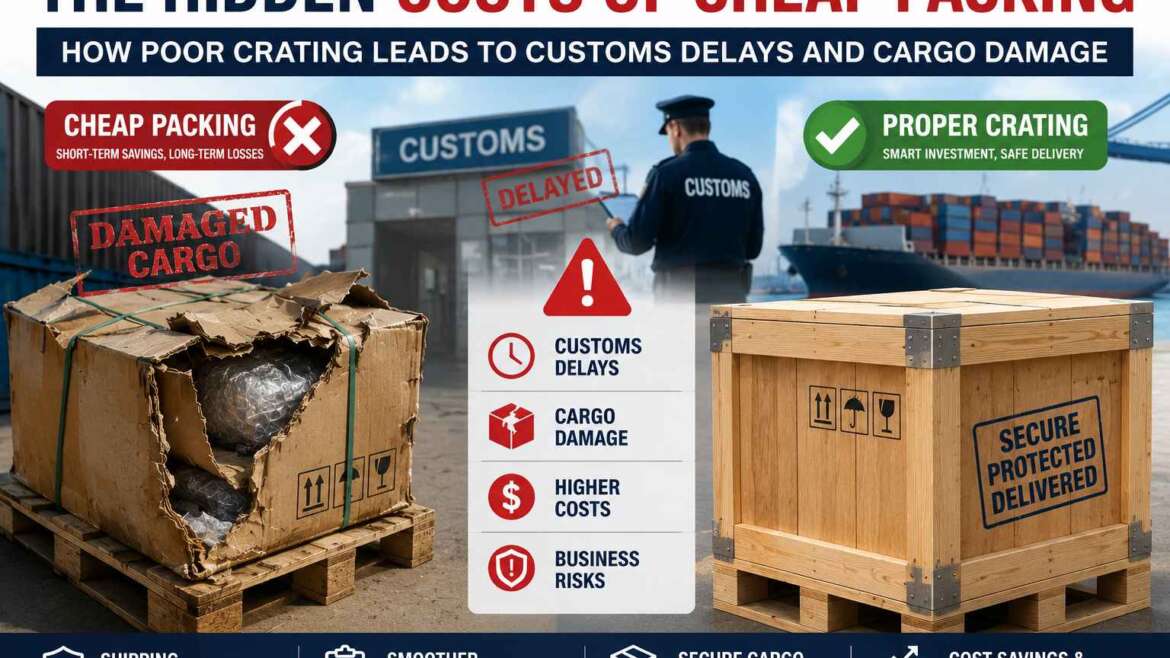
Many times, packaging is considered a way to save money when companies or people get items ready for global shipment. Choosing basic cartons, foregoing expert crating, or using less expensive materials may offer short-term benefits. The truth, though, is that poor packing usually results in much higher costs later in the shipping process.
Beyond broken boxes and goods, the actual costs of cheap packing are more. Bad packing can cause customs inspections, shipping delays, rejected cargo, insurance claims, and expensive replacements. Investing in appropriate packing is a vital part of safeguarding goods and keeping supply chain efficiency for companies engaged in international trade, relocation, or project logistics; it is not a discretionary cost.
The Real Costs of Cheap Packing in International Shipping
The first line of defense against the numerous dangers cargo meets during transit is packaging. Goods may be moved across great distances, exposed to shifting climatic conditions, loaded into containers, moved between warehouses, handled several times, and then delivered.
Many shipping issues start, sadly, with basic packaging mistakes in shipping. Underweight cartons, little cushioning, bad load distribution, and insufficient protection leave items exposed throughout the travel. Usually, it is only after shipments experience damage, delays, or compliance concerns that might have been avoided with better preparation that costs become clear.
How Poor Crating Adds to Customs Issues
Customs agents all around check cargo often to make sure import and export criteria are met. Extra attention could be given to cargo that looks unstable, badly packaged, or inadequately recorded. Customs clearance delays, one of the most overlooked results of poor packaging, can be caused by damaged cartons, broken pallets, or improperly secured products, which can cause problems during inspections, which causes more reviews and longer turnaround times.
These interruptions of project timelines, inventory availability, and unanticipated storage costs resulting from these delays can be upsetting. Many times, the costs of cheap packing far exceed the initial savings made by lowering packing costs.
Cargo Damage: The Most Visible Consequence
Perhaps the most obvious result of inadequate packaging is damaged cargo during transit. Ocean, air, and road freight expose shipments to pressure, movement, vibration, and environmental changes.
Products could shift, shatter, scratch, or become unusable without enough security before delivery. Particularly at risk when packing standards are violated are expensive goods, equipment, electronics, and delicate commodities. When damaged deliveries cause consumer displeasure, replacement costs, or missed business chances, the shipping becomes expensive.
Professional export crating services provide tailored protection depending on cargo size, weight, sensitivity, and destination needs. Good crating lowers transportation hazards, absorbs shocks, and helps stop movement. Investing in quality crating greatly brings down the long-term costs of packaging.
Why Industrial Packaging is Important
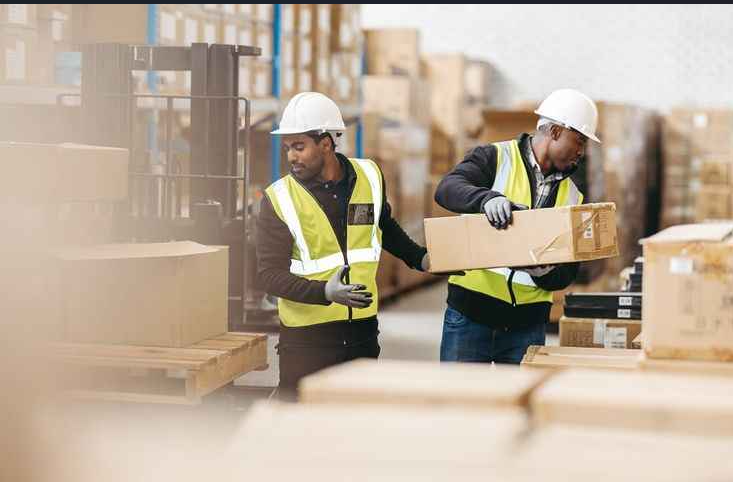
Modern supply chains need packing solutions able to shield goods across difficult transit routes. Professional industrial packaging solutions are made to keep product integrity under harsh shipping conditions. These solutions usually comprise load stabilization methods modified for certain uses, moisture protection, specialized cushioning, and reinforced materials. Such actions help to lower exposure to transportation-related hazards and boost cargo durability.
Professional packaging companies usually have fewer disruptions and lower total delivery expenses than those depending on low-cost options. Good planning is the start of effective shipping damage prevention. Assessing environmental conditions, cargo fragility, and transportation routes helps lower hazards and enhance delivery performance, therefore reducing cost.
Creating Safe Cargo Packaging Plans
Trustworthy and secure cargo packaging seeks to guard items at every stage of their travel. This comprises choosing suitable materials, stabilizing loads, and making sure goods stay secure during transportation and handling.
Designing packaging especially for shipping needs helps to better safeguard freight against shocks, vibrations, moisture exposure, and movement. These actions lower the possibility of expensive delays and increase shipping reliability. Good packing plans help to reduce unnecessary transit dangers, therefore offering long-term value.
Why Wooden Crates Still Are Industry Standard
Wooden crate packaging still ranks among the most dependable kinds of freight protection for many foreign deliveries. Good crates give impact resistance, structural strength, and stability in transit. Because they provide better protection than regular boxes, wooden crates are often utilized for equipment, industrial equipment, delicate items, and high-value goods.
They also help improve cargo security and slow down movement inside containers. Even if they call for a more initial outlay, wooden crates typically help to avoid the far more expensive cost related to delayed or damaged goods.
International Shipping Requires Specialized Protection
Global freight forwarding packaging exposes goods to a great spectrum of hazards. Long travel times, environmental factors, customs inspections, and several handling locations all need to be taken into consideration for effective international shipping packaging.
These sophisticated transit settings seldom benefit from generic packaging techniques. Professional packaging solutions are created just to satisfy worldwide shipping needs and preserve cargo integrity. This is the reason savvy logistics companies consider packaging as a strategic asset rather than an operational cost.
How Appropriate Packaging Guards Business Reputation
Beyond just avoiding physical damage, expert packaging safeguards a company’s image. Arrival on time and in perfect condition is expected of shipments by customers. Damage, delay, or replacement requirements of items might negatively impact future commercial prospects and client confidence. This is especially crucial for businesses engaged in international trade where delivery dependability directly affects customer connections.
Investing in good packaging shows professionalism and dedication to service standards. Improved delivery performance and lower shipping hazards can help companies to increase client confidence and prevent many of the hidden costs of cheap packing that might impede long-term development.
Risk Management and Distribution Effectiveness
Effective risk management in shipping entails spotting weak points before they turn into expensive issues. This process depends heavily on packaging as it directly affects regulatory compliance, shipping efficiency, and cargo protection. Likewise, packaging quality helps warehouse and distribution operations by enhancing shipment preparation, inventory handling, and storage stability. Well-packaged items travel more quickly along supply networks and suffer fewer interruptions.
Companies that put money into professional packaging always have better operational performance and lower long-term shipping expenses.
Why Professional Packaging Takes Top Priority for Zuhal Pack
We at Zuhal Pack know that logistics packaging is among the most important elements determining shipping success. Our professionals create unique packing and crating solutions meant to guard freight during storage, transit, and international shipping processes.
We assist customers in preventing the hidden costs of cheap packing and increase shipment dependability and load safety by combining industry knowledge, premium materials, and tried-and-true packing methods. Whether dealing with commercial products, industrial equipment, or high-value freight, our staff concentrates on providing packaging solutions that satisfy global standards and help to enable seamless customs processing.
Using Better Packaging Choices to Guard Cargo
The costs of cheap packing go beyond only the packaging materials. Bad packaging can cause customs delays, more transportation costs, unhappy customers, and damaged deliveries. Investing in professional packing, export crating, and safe freight security helps companies lower risks, increase operational efficiency, and get more consistent worldwide shipping results.